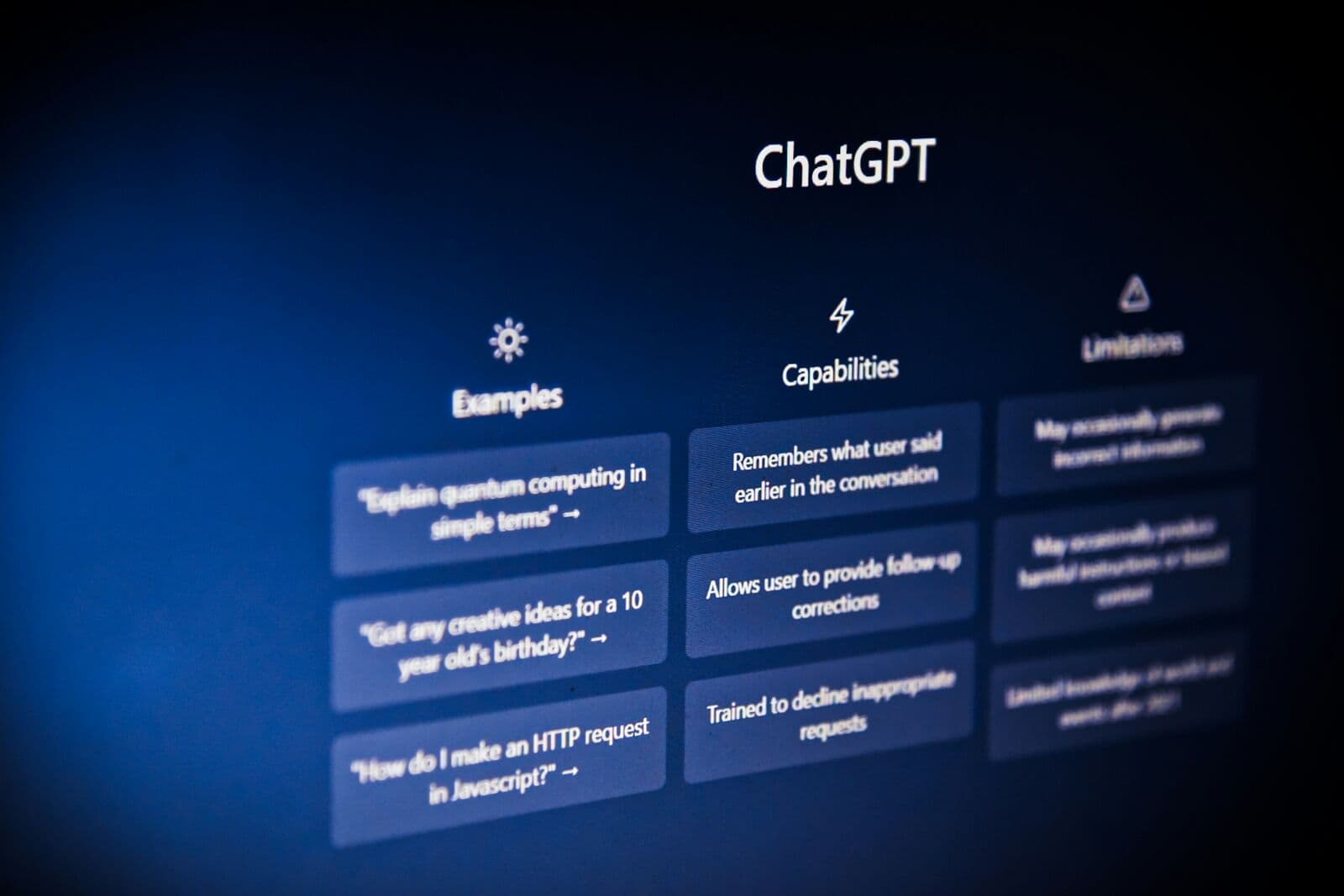
Adobe is running ads inside ChatGPT. So is Ford. As of March 20, Criteo joined the pilot too, bringing the ad-tech infrastructure that could turn this from an experiment into a full-blown ad platform. Right now it is limited to free and Go tier users in the US, ages 18+. But if you have been in marketing long enough, you know how these things go.
ChatGPT has 700 million weekly active users and handles roughly 60% of AI platform traffic. It just added paid placements. We have seen this movie before.
What the ad pilot actually looks like
OpenAI is being careful. Adobe is promoting Acrobat Studio and Firefly through WPP. Criteo is interesting because they are not an advertiser, they are the plumbing. They build the ad-serving tech that makes programmatic buying possible. Their involvement tells you where this is headed.
The ads show up contextually inside conversations. Ask about PDF tools and you might see an Acrobat placement. Ask about design and Firefly appears. These are not banners on the side of the page. They sit inside the answer, right where you would normally get an organic recommendation. That is a very different thing.
A Truist analyst note called 2026 an "inflection year" for LLM-powered ads and projected them becoming a major pillar of digital advertising alongside search, social, and retail media. Read that again. A Wall Street analyst is saying ChatGPT ads belong in the same sentence as Google Ads.
We watched Google do this over 20 years
In 2000, Google launched AdWords. Organic results filled the page. Ads were small, easy to ignore, and cheap to buy. Then ads got bigger. They moved to the top. Shopping ads arrived. Local Service ads. Knowledge panels with sponsored content. By 2026, the first organic result on a commercial Google query sits below four ads, a featured snippet, and a "People also ask" box. Desktop organic CTR is below 2%.
Every platform follows the same arc. Launch with organic results, introduce small ads, expand ad placements, watch organic visibility erode. Google did it. Facebook did it. Instagram, Amazon, LinkedIn, all of them.
ChatGPT just entered phase two.
What changes when ads enter the recommendation layer
Today, when someone asks ChatGPT for the best project management tools, the top recommendation is earned. It comes from training data quality, how consistently your brand shows up across authoritative sources, how well AI models understand what you do. Tomorrow, that top spot could go to whoever pays the most.
There is something uncomfortable about this. People trust ChatGPT because they believe it is giving them an honest answer, not serving an ad. When a paid placement appears inside a conversational response, most users will not know the difference. The advertiser gets the trust that organic brands built. That feels unfair, and it probably is, but it is also how platforms monetize.
High-value queries like "best CRM for mid-size companies" or "top cybersecurity tools" will attract the biggest ad budgets. If your brand currently shows up organically for those queries, you will eventually face a choice: pay to keep showing up, or get pushed down by someone who will.
The conversion numbers are going to make this expensive
Here is what makes ChatGPT ad inventory different from Google. According to Semrush, the average visitor from an LLM converts at 4.4x the rate of an organic search visitor. Seer Interactive found one B2B client where ChatGPT traffic converted at 15.9% compared to 1.76% from Google organic. Similarweb reported 11.4% vs 5.3% across global e-commerce.
When advertisers figure out that ChatGPT placements convert at 4-9x the rate of their Google campaigns, they will pour money in. Early Google CPCs were pennies. Now competitive keywords run $50-100+. The same price compression will hit ChatGPT ads, probably faster because the conversion data is that good.
Retail and grocery brands already claim 44% of ChatGPT ad inventory in early testing. Once SaaS, finance, and healthcare join, the auction gets crowded fast.
You have maybe 12 months before this gets serious
Right now, ChatGPT ads are limited to two tiers in one country. CNBC reported that some pilot participants are frustrated with the slow rollout. Full expansion across all tiers, geographies, and verticals is probably 12-18 months out.
That is your window.
Organic AI visibility compounds in a way that paid placements do not. When your brand is embedded in training data and consistently recommended across queries, that presence survives model updates. Stop paying for ads and you vanish. Stop investing in organic authority and... you are still there, because the training data remembers.
Think about the brands that invested in Google SEO between 2000 and 2005, before paid search took over. Many of them still rank on page one, two decades later, on the strength of the domain authority they built early. That same early-mover advantage exists right now in AI search. But the window will not stay open once ad dollars flood in and organic real estate shrinks.
Six things worth doing before the window closes
1. Run an AI visibility audit. Ask ChatGPT, Perplexity, Gemini, and Claude about your category. See if your brand shows up, how often, and whether the information is accurate. You cannot fix what you have not measured.
2. Clean up your entity data. If your brand name, description, and category differ between your website, LinkedIn, Crunchbase, and Wikipedia, AI models get confused. Make it consistent everywhere.
3. Invest in digital PR. A single mention in a publication like TechCrunch or Search Engine Journal moves the needle more than ten blog posts on your own domain. AI models learn from authoritative third-party sources, not your marketing pages.
4. Go deep on content, not wide. Comprehensive research reports with original data, detailed comparison pages, and technical docs get absorbed into training data. Thin listicles get ignored. Quality over quantity.
5. Keep your content fresh. Content updated within 30 days gets 3.2x more AI citations than older content. The half-life of an AI citation is about 13 weeks. If you publish something good, update it quarterly.
6. Monitor what AI says about you. Models update, competitors improve, and your visibility can shift without warning. You need ongoing monitoring, not a one-time check.
Build now or pay later
The ChatGPT ad pilot is a signal. Within 12-18 months, every high-value query will have paid placements competing with organic recommendations. The brands that build real AI authority now will have something that money alone cannot buy later. The brands that wait will face a choice between expensive bids and silence.
Google taught us this lesson. It took 20 years. This time it will happen faster.
Want to know where your brand stands before the ad auction heats up?
Presenc AI tracks your brand across ChatGPT, Perplexity, Gemini, and Claude. See your mention rate, check accuracy, compare against competitors, and catch changes before they become problems.