You spent years perfecting your SEO. Your website ranks #1 on Google. But when someone asks ChatGPT about your product, it recommends your competitors.
This isn't a hypothetical scenario. It's happening right now to brands across every industry. The visibility you fought so hard to build in the search era is becoming invisible in the AI era.
The Shift: From Searching to Asking
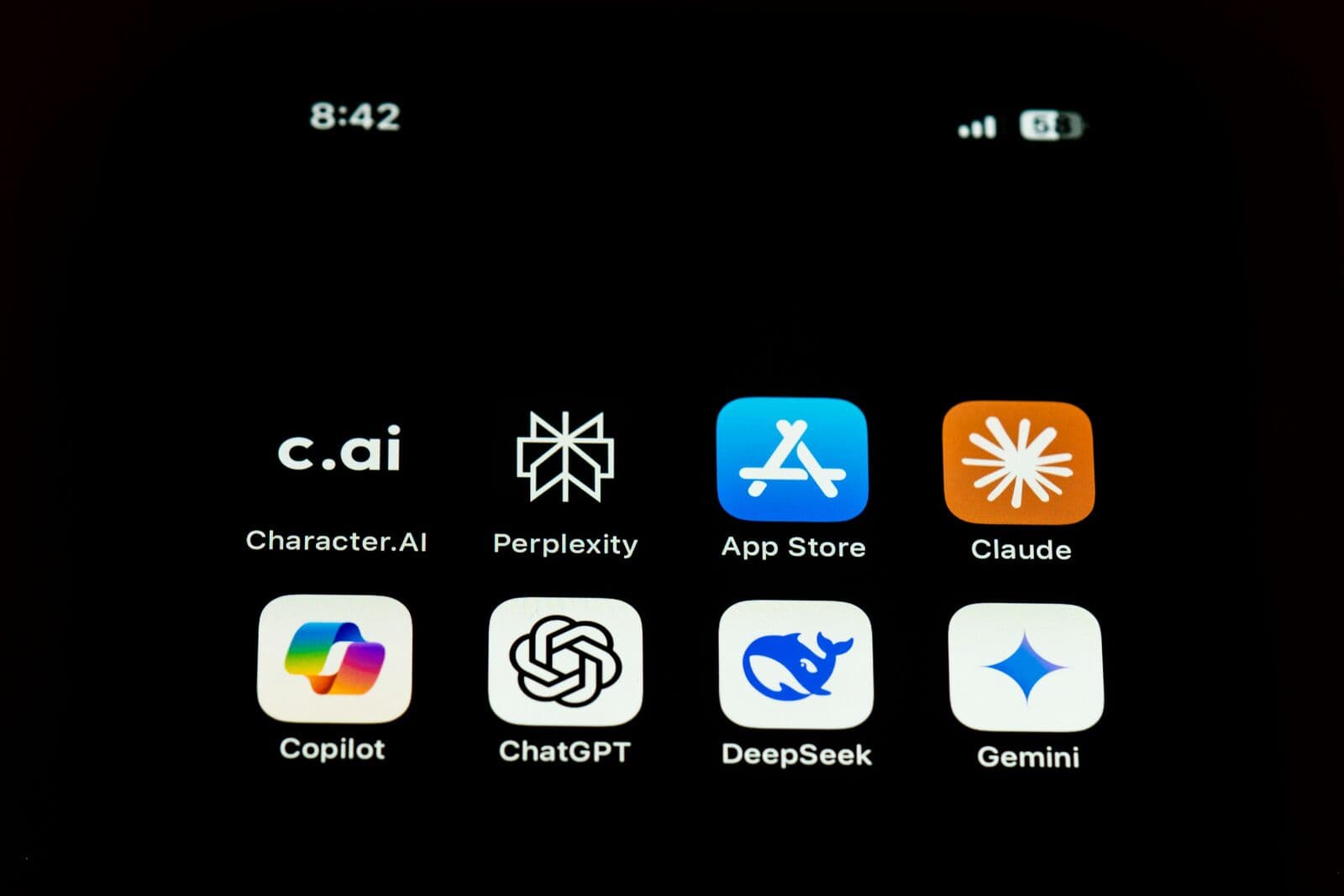
User behavior is fundamentally changing. People aren't just typing keywords into Google anymore. They're having conversations with AI assistants. ChatGPT, Claude, Gemini, and Perplexity aren't just chatbots. They're becoming the new discovery engines.
When users ask "What's the best project management tool for remote teams?", they're not clicking through ten blue links. They're getting a curated answer, right now, from an AI that's synthesized thousands of sources. And if your brand isn't part of that synthesis, you don't exist in that conversation.
This is what we call the shift from search-era visibility to AI-era invisibility. And it's creating a new category of optimization entirely.
Understanding the Terms: SEO vs GEO
SEO (Search Engine Optimization) is what you already know: optimizing your content for Google's algorithm. Keywords, backlinks, meta descriptions, mobile-friendliness. You're playing by Google's rules.
GEO (Generative Experience Optimization) is different. It's about optimizing for AI assistants' models and context retrieval systems. Instead of ranking on a search results page, you're aiming to be recalled and recommended by large language models. It's about being part of the knowledge ecosystem that these AI systems tap into when generating answers.
SEO vs GEO: What Actually Differs
| Aspect | SEO | GEO |
|---|---|---|
| Platform | Google, Bing | ChatGPT, Claude, Gemini, Perplexity |
| Ranking Basis | Keywords, backlinks | Knowledge graphs, embeddings, trust context |
| Visibility Metric | SERP position | LLM recall / mention presence |
| Optimization | Content, links, metadata | Data structure, AI retrievability, prompt-grounded responses |
| Analytics Tool | Google Search Console | Presenc AI Visibility Dashboard |
Why GEO Matters Now
Here's the hard truth: brands are losing AI visibility even when they dominate Google. Why? Because LLMs don't necessarily pull from the same places Google does.
Large language models fetch information from curated, trusted datasets: Wikipedia, academic papers, authoritative APIs, and structured knowledge bases. If your brand isn't part of that ecosystem, it's invisible in AI-driven recommendations. Your beautiful website and perfect keyword strategy won't help if the AI's training data doesn't include your brand context.
This creates a new type of digital divide: brands that exist in AI's knowledge graph versus those that don't.
How Presenc AI Helps You Bridge the Gap
This is where Presenc AI comes in. We built an AI visibility analytics platform specifically to measure and optimize your brand's presence across AI assistants.
Presenc AI scans how often (and in what context) your brand is mentioned or recommended by top AI models. We show you which competitors are winning the AI visibility game, what queries trigger recommendations, and what you can do to improve your presence.
Think of it as Google Search Console for the AI era. Instead of tracking SERP positions, you're tracking LLM recall. Instead of optimizing for crawlers, you're optimizing for embeddings and knowledge retrieval.
The Technical Reality: How LLMs Retrieve Information
Understanding GEO requires understanding how AI actually works. When you ask ChatGPT a question, it's not "searching the web" like Google. It's using something called RAG (Retrieval-Augmented Generation), which combines its trained knowledge with real-time information retrieval.
Your brand gets mentioned when:
- It appears in the model's training data (often pre-2023 for many models)
- It's referenced in retrieved context from trusted sources
- Its embeddings align semantically with user queries
- It has authoritative, structured metadata that AI systems can parse
That's why traditional SEO content won't cut it. AI assistants need information that is structured and authoritative. They favor Wikipedia-style factual entries, comparison tables, technical documentation, and citations from recognized sources.
Practical Takeaways: Building Your SEO + GEO Strategy
Why you need both: SEO drives direct traffic and captures intent-based searches. GEO ensures your brand is recommended in conversational, zero-click AI experiences. They're complementary, not competitive.
How to start with GEO:
- Make sure your brand information is consistent across Wikipedia, Wikidata, Crunchbase, and other knowledge bases
- Use schema.org markup, JSON-LD, and structured data to make your content readable by AI retrieval systems
- Test how AI assistants describe your brand compared to competitors, and track it over time
- Get mentioned in sources AI models actually trust: TechCrunch, Wired, G2, academic papers, sector-specific publications
- Create honest, detailed comparisons between your product and competitors. AI favors this format over marketing copy
The Bottom Line
In the search era, being found on Google was enough. In the AI era, being understood by ChatGPT is what will keep you visible.
Your competitors are already optimizing for AI visibility. The question isn't whether you should join them, it's how fast you can catch up.
Start measuring your AI visibility today with Presenc AI.
See which AI queries return your competitors instead of you. Find out what's missing from your brand's knowledge profile across ChatGPT, Claude, and Perplexity.